
About Blueberry Hills
Our Farm Story
Our farm story today begins on a piece of land near Lake Chelan, shaped by hard work, family values, and a deep respect for the seasons. What started simply has grown over time into a working blueberry farm where planting, harvesting, and welcoming visitors are all part of daily life. Every season brings its own rhythm, and every harvest reflects a commitment to care, tradition, and doing things the right way.
Who We Are
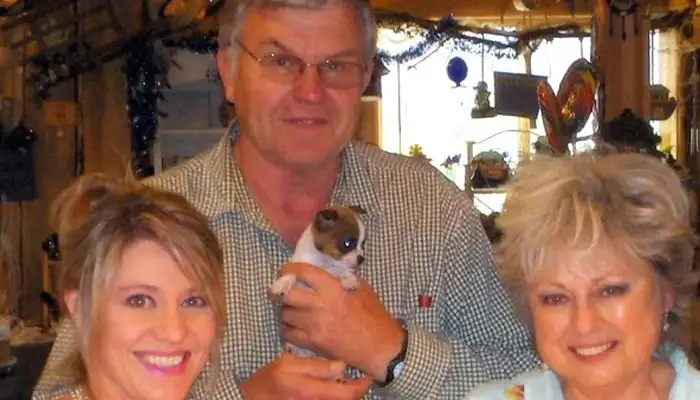
The farm is owned and operated by Roger, Linda, and Kari Sorensen. After more than twenty years, Mom and Dad have mostly stepped back, though they’re still very much part of daily life here. Mom spends her time tending her extensive gardens of dahlias, while Dad is usually around visiting with guests, sharing stories, and enjoying a cup of coffee. It’s not uncommon for him to wander over to a table, sit down with a slice of pie, and strike up a conversation — often to the surprise of folks who assume he’s just another customer.
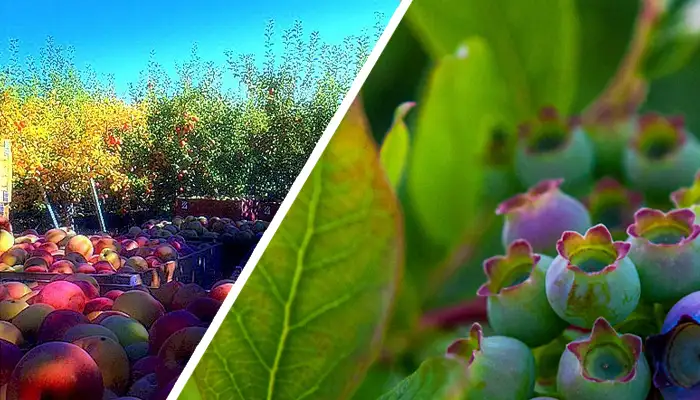
From Orchard to Blueberries
Building the Barn
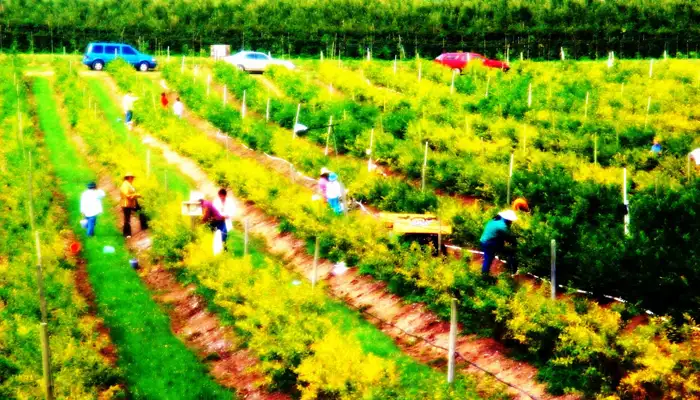
What started as a simple plan — a blueberry u-pick with cold drinks, pies, and a few burgers — quickly grew into something much bigger. The barn became a gathering place shaped by family history, old farm tools, and pieces of everyday life saved over generations. Much of what fills the space today came straight from Grampa’s old work shed, turning the building into both a restaurant and a living tribute to the people and farming traditions of the valley. Our breakfast and lunch menu
Learning the Restaurant Business
After experiencing the farm and restaurant, people often ask the same question: “How did you ever figure all this out? You must have had years of restaurant experience.” Dad’s answer was always the same — “Oh yeah… we’ve eaten in a lot of restaurants.” The truth is, we opened without any real restaurant experience at all and figured everything out as we went. From deciding who would make the coffee (not me — I make terrible coffee), to choosing mugs, plates, and where anything should even go, every detail was learned the hard way.
Every day brought a new problem to solve. Paper plates? Absolutely not. Real plates meant dirty dishes, which meant figuring out how to wash them. Walls were questioned, holes were considered, toilets clogged, and nothing ever went according to plan.
When we first opened, we didn’t even take credit cards. If someone showed up with only plastic, we’d tear off the register receipt, hand them a business card, and ask them to mail a check. Did everyone pay? We honestly don’t know — we didn’t keep track. What we do know is that a whole lot of checks showed up in the mail, and people kept coming back.
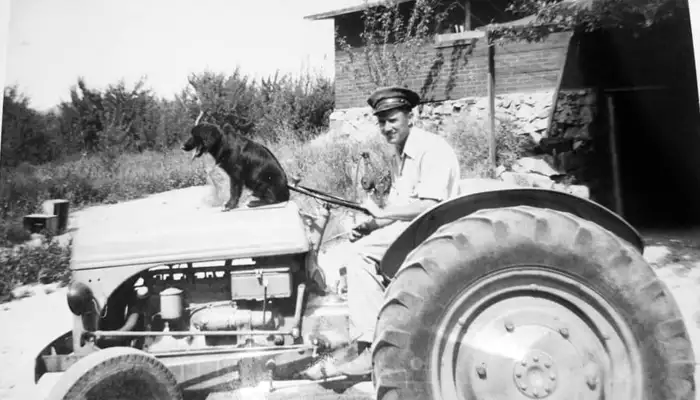
Tribute to my Grampa & Gramma
The barn—and everything inside it—is a tribute to Grampa and Gramma, Paul and Carol Peters, our family, and the farmers of the Lake Chelan Valley who came before us. Grampa never threw anything away, and you’ll find pieces of his life everywhere — fishing poles, photos, bikes, a red wagon, and even hundreds of eyeglasses collected over the years. It drove Gramma crazy! He kept EVERYTHING! Check out the display tables with the memorabilia inside. We’re not kidding.
Before we ever opened, Grampa sat downtown Manson with his coffee buddies, shaking his head and telling anyone who would listen that he “had no idea what they’re doin’ out there! They’re wastin’ their money and I AIN’T GIVIN’ ‘EM ANY!” Turns out, he was wrong — though we suspect he’d still say he wasn’t. He had a plaque on his desk that read “Once I thought I was wrong, but I was mistaken!” And he meant it! 🙂
When the apple orchard was pulled out to make room for blueberries, Grampa stood in the field and cried. That land had fed his family for generations, and it was the first and last time I ever saw him do that.
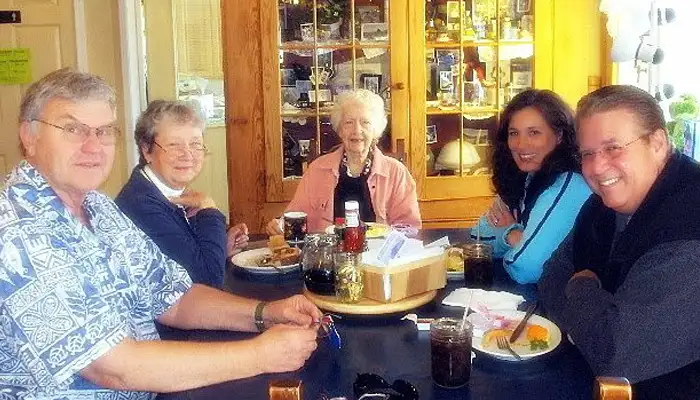
When the restaurant finally opened and people started showing up, something changed. He wandered from table to table talking with guests, writing down their names, taking their pictures, and documenting it all like he always had. He was so proud — even if he pretended not to be.
Just after we opened, Grampa arrived with a set of Texas longhorns he’d apparently had tucked away in his shed for years. He brought them in, set them down, and left without a word. The next day, he returned — and by then, the horns were proudly mounted above our front door, in a place of honor.
For Grampa, that was his way of telling us he was proud of what we had built. Our quiet acceptance was our way of saying thank you. Those longhorns are still there today. And while Gramma and Grampa are no longer with us physically, they are very much still here. This isn’t just a restaurant — it’s a family place, built on love, hard work, and the people who came before us.
Remembering What Matters
We’ve also since lost our Blueberry Gramma, Carol Peters, who was every bit as much a part of the soul of this place. She had a rare gift for finding humor in any situation and taught me more about people and life than she probably ever realized. Though she’s no longer here in person, her voice and perspective still guide us daily. We miss them both deeply, and their influence continues to shape everything we do.
Why People Keep Coming Back
What we do know is that people return year after year, often bringing friends and family with them. Some come for the food, some for the farm, and some just for the feeling of being somewhere familiar and unhurried. That loyalty means everything to us, and it’s what keeps this place moving forward.
Today at the Farm
Breakfast and lunch are still prepared using time-tested recipes, many passed down and refined over the years. Visitors come for a meal, time on the farm, or a stop during blueberry season, and many return again and again. Whether it’s a first visit or a familiar tradition, the hope is that everyone leaves feeling full, happy, and connected to the story that continues here. Planning a visit?
Read Reviews and Follow Along on Social Media


